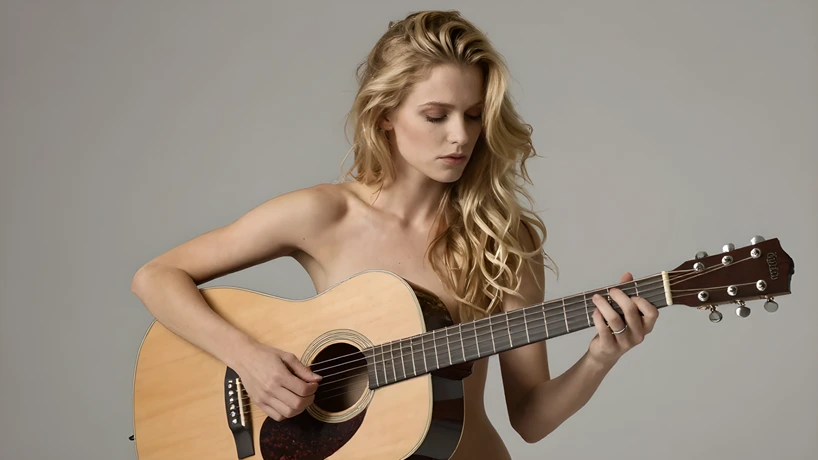
Performance anxiety is a common experience for many individuals, especially those who are involved in activities that require them to perform in front of others. Whether it’s public speaking, playing a musical instrument, or participating in a sports competition, the pressure to perform well can lead to feelings of anxiety and stress. Performance anxiety is often characterized by a fear of failure, self-doubt, and a heightened sense of self-awareness. It can manifest in physical symptoms such as sweating, trembling, and a racing heart, as well as psychological symptoms like negative thoughts and a lack of confidence.
Performance anxiety is rooted in the body’s natural fight-or-flight response, which is triggered when we perceive a threat or danger. In the context of performance, this response can be activated by the fear of making mistakes, being judged by others, or not meeting expectations. Understanding the underlying causes of performance anxiety can help individuals develop strategies to manage and overcome it. By recognizing that performance anxiety is a natural response to the pressure of performing, individuals can begin to address their fears and work towards building confidence and resilience.
Recognizing the Physical and Psychological Symptoms
The physical and psychological symptoms of performance anxiety can vary from person to person, but there are some common signs to look out for. Physically, individuals may experience a racing heart, sweating, trembling, nausea, and shortness of breath. These symptoms are a result of the body’s physiological response to stress and can be overwhelming for those experiencing performance anxiety. Psychologically, individuals may experience negative thoughts, self-doubt, fear of failure, and a lack of confidence. These symptoms can be just as debilitating as the physical ones and can significantly impact an individual’s ability to perform at their best.
Recognizing these symptoms is the first step in addressing performance anxiety. By acknowledging the physical and psychological signs of anxiety, individuals can begin to develop strategies to manage and cope with their symptoms. It’s important to remember that experiencing performance anxiety is not a sign of weakness or incompetence, but rather a natural response to the pressure of performing. By recognizing and acknowledging these symptoms, individuals can begin to take steps towards managing their anxiety and improving their performance.
Developing Mental Preparation Techniques
One effective way to manage performance anxiety is through mental preparation techniques. Mental preparation involves training the mind to focus on the task at hand and to stay calm under pressure. This can be achieved through various techniques such as visualization, positive self-talk, and goal setting. Visualization involves mentally rehearsing a performance in detail, imagining oneself succeeding and feeling confident. This technique can help individuals build confidence and reduce anxiety by creating a mental blueprint for success.
Positive self-talk is another important mental preparation technique that can help individuals manage performance anxiety. By replacing negative thoughts with positive affirmations, individuals can shift their mindset and build confidence in their abilities. Setting specific, achievable goals can also help individuals stay focused and motivated, reducing the impact of performance anxiety. By developing mental preparation techniques, individuals can train their minds to stay calm and focused during high-pressure situations, ultimately improving their performance.
Utilizing Relaxation and Breathing Exercises
Relaxation and breathing exercises are powerful tools for managing performance anxiety. When individuals experience anxiety, their bodies enter a state of heightened arousal, leading to physical symptoms such as rapid breathing and an increased heart rate. By practicing relaxation techniques such as deep breathing, progressive muscle relaxation, and mindfulness meditation, individuals can reduce their arousal levels and promote a sense of calm.
Deep breathing exercises involve taking slow, deep breaths in through the nose and out through the mouth, focusing on filling the lungs with air and releasing tension with each exhale. This technique can help individuals regulate their breathing and reduce the physical symptoms of anxiety. Progressive muscle relaxation involves tensing and then releasing different muscle groups in the body, promoting relaxation and reducing tension. Mindfulness meditation encourages individuals to focus on the present moment, letting go of worries about the future or past. By utilizing relaxation and breathing exercises, individuals can effectively manage their physical symptoms of performance anxiety and promote a sense of calm and relaxation.
Implementing Visualization and Positive Self-Talk
In addition to mental preparation techniques, visualization and positive self-talk can be powerful tools for managing performance anxiety. Visualization involves mentally rehearsing a performance in detail, imagining oneself succeeding and feeling confident. This technique can help individuals build confidence and reduce anxiety by creating a mental blueprint for success. By visualizing success, individuals can train their minds to focus on positive outcomes rather than dwelling on potential failures.
Positive self-talk is another important technique for managing performance anxiety. By replacing negative thoughts with positive affirmations, individuals can shift their mindset and build confidence in their abilities. This can be achieved by consciously challenging negative thoughts and replacing them with positive statements such as “I am capable,” “I am prepared,” and “I am confident.” By implementing visualization and positive self-talk techniques, individuals can cultivate a more positive mindset and reduce the impact of performance anxiety on their performance.
Seeking Support and Feedback
Seeking support and feedback from others can be instrumental in managing performance anxiety. Whether it’s from a coach, mentor, or trusted friend, having someone to provide encouragement and constructive feedback can help individuals feel more confident and prepared for their performances. Supportive individuals can offer reassurance, perspective, and guidance, helping to alleviate feelings of self-doubt and anxiety.
Feedback from others can also be valuable in helping individuals identify areas for improvement and build confidence in their abilities. Constructive feedback can provide individuals with specific strategies for addressing weaknesses and building on strengths, ultimately improving their performance. By seeking support and feedback from others, individuals can gain valuable insights and encouragement that can help them manage performance anxiety and perform at their best.
Practicing Mindfulness and Mindset Shifts
Practicing mindfulness and implementing mindset shifts are important strategies for managing performance anxiety. Mindfulness involves focusing on the present moment without judgment, letting go of worries about the future or past. By practicing mindfulness techniques such as deep breathing, meditation, and body scans, individuals can reduce their arousal levels and promote a sense of calm and relaxation.
Mindset shifts involve changing one’s perspective on performance anxiety from a threat to a challenge or opportunity for growth. By reframing anxiety as a natural response to the pressure of performing, individuals can begin to approach their performances with a more positive mindset. This shift in perspective can help individuals build resilience, confidence, and a sense of control over their anxiety.
In conclusion, performance anxiety is a common experience that can have a significant impact on an individual’s ability to perform at their best. By understanding the underlying causes of performance anxiety and recognizing its physical and psychological symptoms, individuals can begin to develop strategies for managing and overcoming it. Mental preparation techniques such as visualization and positive self-talk, as well as relaxation and breathing exercises, can help individuals stay calm under pressure and build confidence in their abilities. Seeking support and feedback from others can provide valuable encouragement and guidance, while practicing mindfulness and implementing mindset shifts can help individuals approach performance anxiety with a more positive outlook. With these strategies in place, individuals can effectively manage their performance anxiety and perform at their best.