
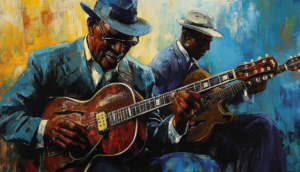
Blues, a genre of music that has had a profound impact on American culture, originated in the Mississippi Delta. The Delta, a region in the northwest part of the state of Mississippi, is known for its rich soil and agricultural history.
It was also home to a large population of African American slaves and their descendants. The harsh conditions of slavery and the subsequent Jim Crow era led to the development of the blues as a form of expression for the African American community.
The music was born out of the pain and suffering of these individuals, and it served as a way for them to cope with their struggles.
The Delta blues is characterized by its raw and emotional sound, often featuring a lone musician playing a guitar and singing about their hardships.
The music was deeply rooted in African American culture and was passed down through generations, with each musician adding their unique style and experiences to the genre.
The Delta blues became a way for African Americans to preserve their heritage and express their feelings in a time when they were marginalized and oppressed.
It laid the foundation for the future of the blues and its influence on American music as a whole.
The Influence of African American Culture on the Development of the Blues
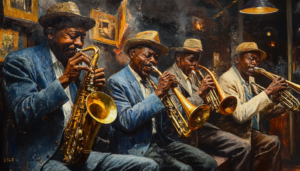
African American culture has had a profound influence on the development of the blues. The music was deeply rooted in the experiences and traditions of African Americans, and it served as a way for them to express their struggles and triumphs.
The blues drew from African musical traditions, such as call-and-response singing and polyrhythmic drumming, and combined them with European musical elements to create a unique sound. This fusion of cultures resulted in a music that was both deeply personal and universally relatable.
The blues also drew from African American oral traditions, with many songs telling stories of hardship, love, and resilience. The lyrics often reflected the experiences of African Americans living in the South, addressing themes such as poverty, racism, and the longing for freedom.
The music provided a voice for a community that had been silenced for so long, and it became a powerful form of resistance against oppression. The influence of African American culture on the blues is undeniable, and it has shaped the genre into what it is today.
The Spread of the Blues Across the United States and Beyond
The blues began to spread across the United States in the early 20th century, as African Americans migrated from the South to urban areas in search of better opportunities.
Cities such as Chicago, Detroit, and New York became hubs for blues music, with clubs and juke joints springing up to cater to the growing demand for live performances.
The music also began to gain popularity among white audiences, leading to the commercialization of the genre and the rise of famous blues musicians such as B.King, Muddy Waters, and Howlin’ Wolf.
The blues also began to gain international recognition, with musicians such as Robert Johnson and Lead Belly touring Europe and influencing a new generation of musicians.
The music resonated with people from all walks of life, as its themes of struggle and resilience were universal.
The blues became a symbol of American culture and its influence could be felt around the world. Its impact on other musical genres, such as rock and roll, jazz, and R&B, further solidified its place in music history.
The Great Migration and the Impact on the Blues
The Great Migration, a period in the early 20th century when millions of African Americans moved from the rural South to urban areas in search of better opportunities, had a profound impact on the blues.
As African Americans left the Delta and other rural areas, they brought their music with them, spreading the sounds of the blues to cities across the United States.
This migration led to the growth of urban blues scenes in cities such as Chicago, Detroit, and St. Louis, where musicians found new audiences and opportunities to perform.
The urbanization of the blues also led to changes in its sound, with electric guitars and amplifiers becoming more common in performances.
This shift in instrumentation gave rise to a new style of blues known as electric blues, which became popular among both black and white audiences.
The Great Migration not only changed the geography of the blues, but it also influenced its evolution and helped to shape its future.
The Evolution of the Blues and its Influence on Other Musical Genres
The blues has undergone many changes since its early days in the Mississippi Delta. As it spread across the United States and gained popularity among diverse audiences, it began to influence other musical genres.
One of the most significant developments was the impact of the blues on rock and roll. Musicians such as Chuck Berry, Elvis Presley, and The Rolling Stones drew inspiration from the blues, incorporating its rhythms and themes into their music.
This fusion of styles led to the birth of rock and roll, a genre that would go on to become one of the most popular forms of music in the world.
The blues also had an impact on jazz, with musicians such as Louis Armstrong and Duke Ellington incorporating blues elements into their compositions.
The two genres shared a common heritage in African American culture, and their fusion led to new styles such as jazz-blues and soul jazz.
The influence of the blues can also be heard in R&B, funk, and even hip-hop, with artists such as James Brown, Prince, and Tupac Shakur drawing from its rich tradition.
The evolution of the blues has had a lasting impact on American music, shaping the sounds that we hear today.
The Blues in Popular Culture and its Enduring Legacy
The blues has had a significant impact on popular culture, with its influence being felt in literature, film, and art. Writers such as Langston Hughes and Zora Neale Hurston drew inspiration from the blues in their work, using its themes and imagery to capture the experiences of African Americans.
The music has also been featured in countless films and television shows, serving as a soundtrack for stories of struggle and triumph. Artists such as Romare Bearden and Jacob Lawrence have used the blues as a source of inspiration for their visual art, creating works that reflect the spirit of the music.
The enduring legacy of the blues can also be seen in its continued popularity among audiences around the world. Blues festivals and concerts draw thousands of fans each year, celebrating the music’s rich history and showcasing new talent.
The genre has also been recognized by organizations such as the Grammy Awards and the Rock and Roll Hall of Fame, cementing its place in music history.
The blues has become a symbol of resilience and creativity, inspiring generations of musicians and listeners alike.

The Future of the Blues: Preserving and Celebrating its Rich History
As we look to the future, it is important to preserve and celebrate the rich history of the blues. Organizations such as the Blues Foundation work to support musicians and educate audiences about the genre’s heritage.
They provide resources for aspiring artists and host events that showcase the diversity of blues music. It is crucial to continue this work in order to ensure that future generations have access to this important part of American culture.
In addition to preserving its history, it is important to support new talent in the blues community. Many young musicians are carrying on the tradition of the blues, adding their own unique perspectives to the genre.
By providing opportunities for these artists to perform and record their music, we can ensure that the blues will continue to thrive for years to come.
It is also important to educate audiences about the history of the blues and its cultural significance, so that they can appreciate its impact on American music.
In conclusion, the blues has had a profound impact on American culture and music history. Its origins in the Mississippi Delta reflect the experiences of African Americans living in a time of oppression and struggle.
The influence of African American culture on the development of the blues is undeniable, shaping its sound and themes. As it spread across the United States and beyond, it influenced other musical genres and became a symbol of American culture.
Its enduring legacy can be seen in popular culture and its continued popularity among audiences around the world. As we look to the future, it is important to preserve and celebrate the rich history of the blues while supporting new talent to ensure that this important part of American culture continues to thrive.