
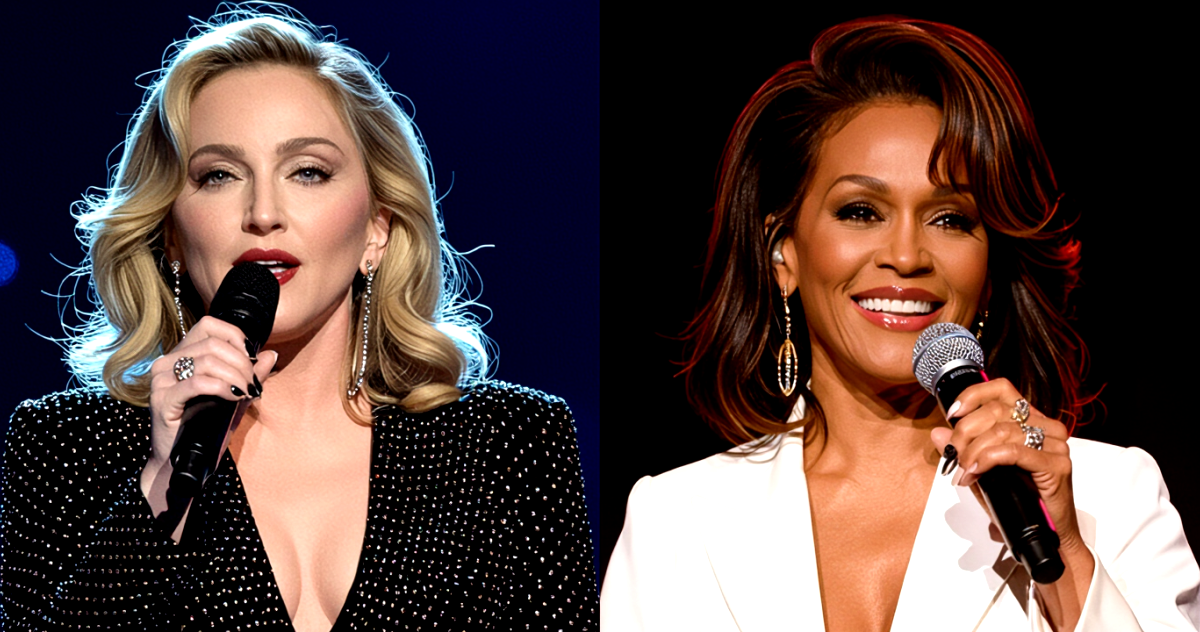
The 1980s was a decade of iconic pop music and larger-than-life personalities, and two women who dominated the era were Madonna and Whitney Houston. Both artists rose to fame in the early 80s and quickly became household names, known for their powerful voices, captivating stage presence, and boundary-pushing fashion choices.
Madonna, the Queen of Pop, and Whitney Houston, the Voice. They were not only talented singers but also savvy businesswomen who knew how to market themselves and stay relevant in an ever-changing industry. Their rivalry was the stuff of legend, as they vied for the top spot on the charts and in the hearts of fans around the world.
This article will explore the contrasting approaches to pop stardom taken by Madonna and Whitney Houston, their chart dominance, influence on fashion and culture, personal lives and scandals, as well as their enduring legacy and impact on the music industry.
Musical Styles and Image: Contrasting Approaches to Pop Stardom
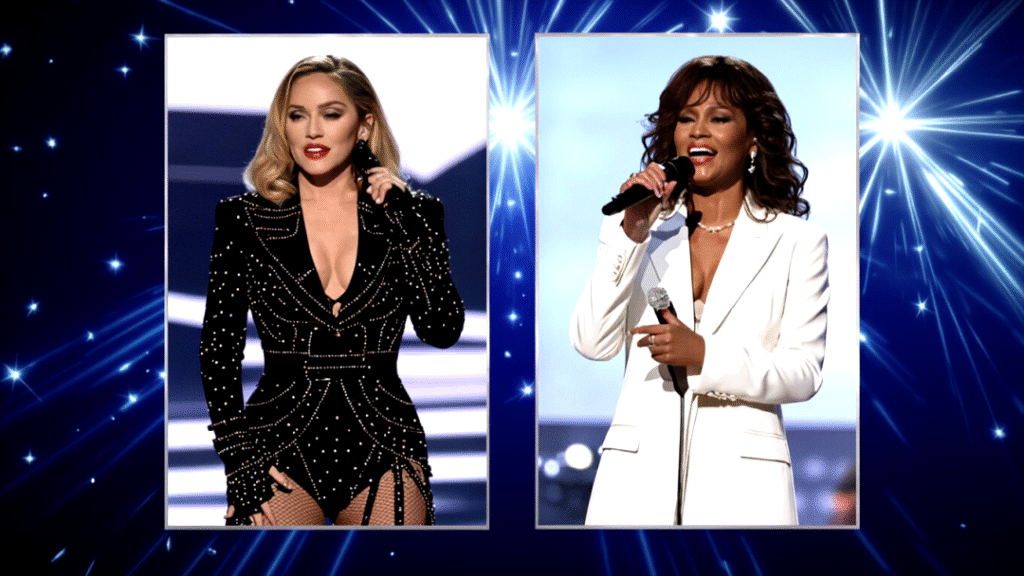
Madonna and Whitney Houston may have both been pop icons, but their musical styles and images were vastly different. Madonna was known for her provocative lyrics, edgy dance beats, and fearless approach to sexuality. She was a trendsetter, constantly reinventing herself and pushing the boundaries of what was acceptable for a female artist.
In contrast, Whitney Houston’s music was more traditional, with powerful ballads that showcased her incredible vocal range. She exuded elegance and grace, with a wholesome image that appealed to a wide audience.
While Madonna embraced controversy and shock value, Whitney Houston focused on delivering timeless, soulful performances that resonated with fans on a deep emotional level. Despite their differences, both women were able to carve out their own unique niches in the pop music landscape and achieve unparalleled success.
On the surface, Madonna and Whitney Houston seemed like polar opposites when it came to their public personas. Madonna was the rebellious bad girl who flaunted her sexuality and challenged societal norms, while Whitney Houston was the epitome of grace and poise, with a wholesome image that appealed to a wide audience.
However, both women shared a fierce determination to succeed in a male-dominated industry, and they were unapologetic about pursuing their own paths to stardom. Madonna’s bold fashion choices and provocative performances made her a symbol of female empowerment and sexual liberation, while Whitney Houston’s timeless beauty and powerhouse vocals earned her the title of “The Voice” and solidified her status as a music legend.
Despite their differing approaches to fame, Madonna and Whitney Houston both left an indelible mark on the music industry and paved the way for future generations of female artists.
Chart Dominance: The Battle for Number One Hits
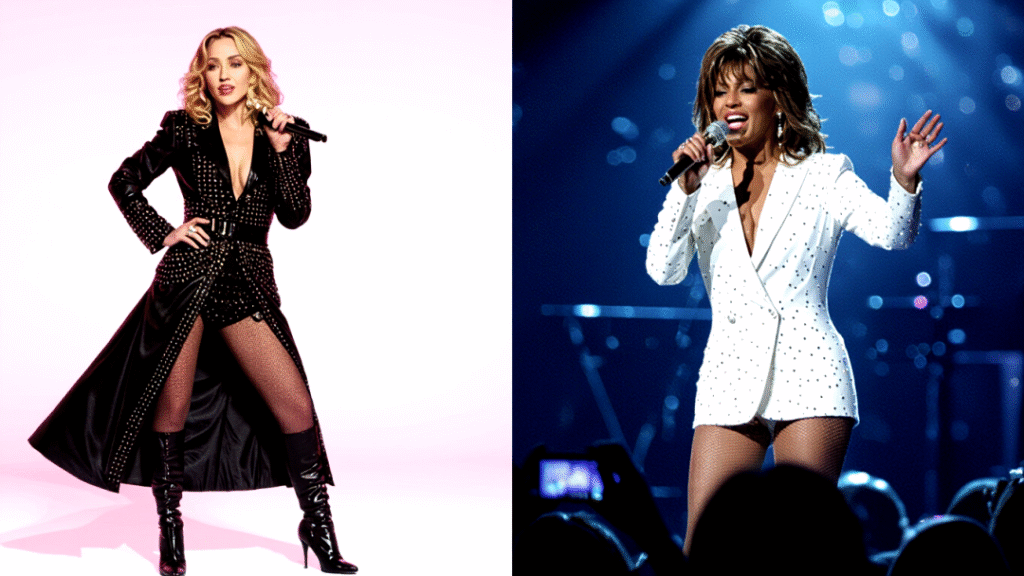
Throughout the 1980s, Madonna and Whitney Houston were locked in a fierce battle for chart dominance, with each artist vying for the coveted number one spot on the Billboard Hot 100. Madonna’s catchy dance-pop anthems and provocative image made her a force to be reckoned with on the charts, as she churned out hit after hit and solidified her status as the Queen of Pop.
Meanwhile, Whitney Houston’s powerful ballads and soulful performances captivated audiences around the world, earning her multiple number one hits and establishing her as one of the best-selling artists of all time.
The rivalry between Madonna and Whitney Houston was the stuff of legend, as fans debated which artist deserved the title of reigning queen of pop music.
Madonna’s chart dominance was fueled by her ability to constantly reinvent herself and stay ahead of the curve when it came to musical trends. From her early hits like “Like a Virgin” to later successes such as “Vogue” and “Like a Prayer,” Madonna’s ability to evolve with the times ensured that she remained a fixture on the charts throughout the decade.
In contrast, Whitney Houston’s chart-topping success was driven by her powerhouse vocals and timeless ballads, such as “I Will Always Love You” and “Greatest Love of All,” which resonated with audiences across generations. Both artists achieved unparalleled success on the charts, with each scoring multiple number-one hits and cementing their status as pop music royalty.
Influence on Fashion and Culture: Shaping the 80s Pop Culture

Madonna and Whitney Houston were not only musical powerhouses but also influential trendsetters who shaped the fashion and culture of the 1980s. Madonna’s bold fashion choices and fearless approach to style made her a fashion icon, as she popularized trends such as lace gloves, fishnet stockings, and layered jewelry. Her ever-changing looks inspired legions of fans to embrace their individuality and express themselves through fashion, making her a trailblazer in the world of style.
Meanwhile, Whitney Houston’s timeless elegance and classic beauty made her a symbol of sophistication, as she exuded grace and poise both on and off the stage. Her glamorous red carpet looks and impeccable sense of style set the standard for elegance in the 80s, influencing a generation of fashion enthusiasts.
The impact of Madonna and Whitney Houston on 80s pop culture extended beyond their fashion choices, as they also played a significant role in shaping societal attitudes towards gender, sexuality, and race.
Madonna’s unapologetic embrace of her sexuality challenged traditional gender norms and empowered women to take control of their own narratives, while Whitney Houston’s success as a black woman in a predominantly white industry broke down barriers and paved the way for future generations of artists of color.
Their influence on fashion and culture was undeniable, as they used their platforms to push boundaries and spark important conversations about identity and representation in popular media.
Personal Lives and Scandals: The Media’s Obsession with Their Rivalry
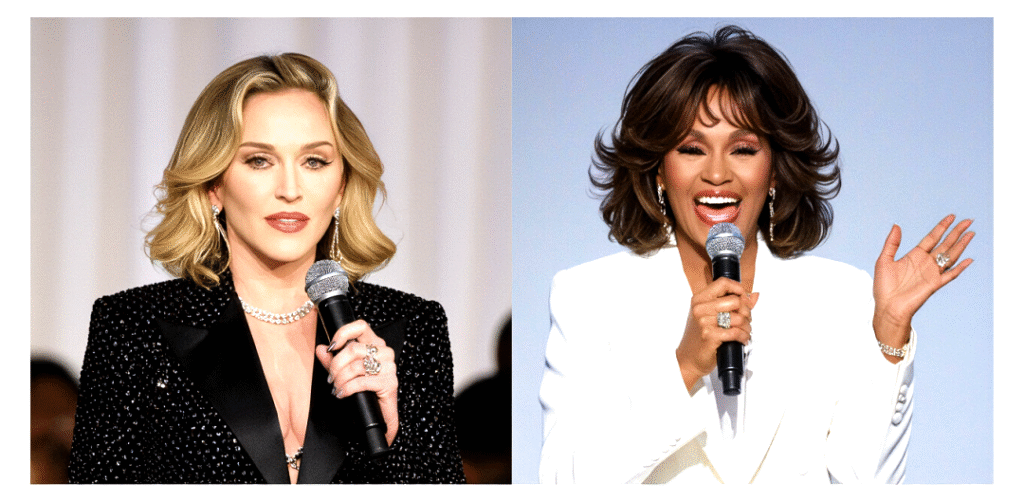
As two of the biggest stars of the 1980s, Madonna and Whitney Houston were constantly in the spotlight, with their personal lives scrutinized by the media at every turn. The tabloids were obsessed with their rivalry, often pitting them against each other in a battle for public attention.
Madonna’s outspoken nature and controversial antics made her a favorite target for gossip columns, as she navigated high-profile relationships with celebrities such as Sean Penn and Warren Beatty.
Meanwhile, Whitney Houston’s tumultuous marriage to Bobby Brown and struggles with substance abuse were well-documented in the press, leading to intense speculation about her personal life. The media’s obsession with their rivalry often overshadowed their musical achievements, as fans were more interested in their personal dramas than their chart-topping hits.
Despite the constant scrutiny from the media, Madonna and Whitney Houston remained resilient in the face of adversity, using their platforms to advocate for important causes and speak out against injustice.
Madonna’s outspoken activism on issues such as LGBTQ rights and women’s empowerment made her a trailblazer in using her celebrity for social change, while Whitney Houston used her voice to raise awareness about important issues such as HIV/AIDS and racial inequality.
Their personal lives may have been fodder for tabloid headlines, but they never let it detract from their commitment to making a positive impact on the world.
Legacy and Impact: How Madonna and Whitney Houston’s Influence Endures
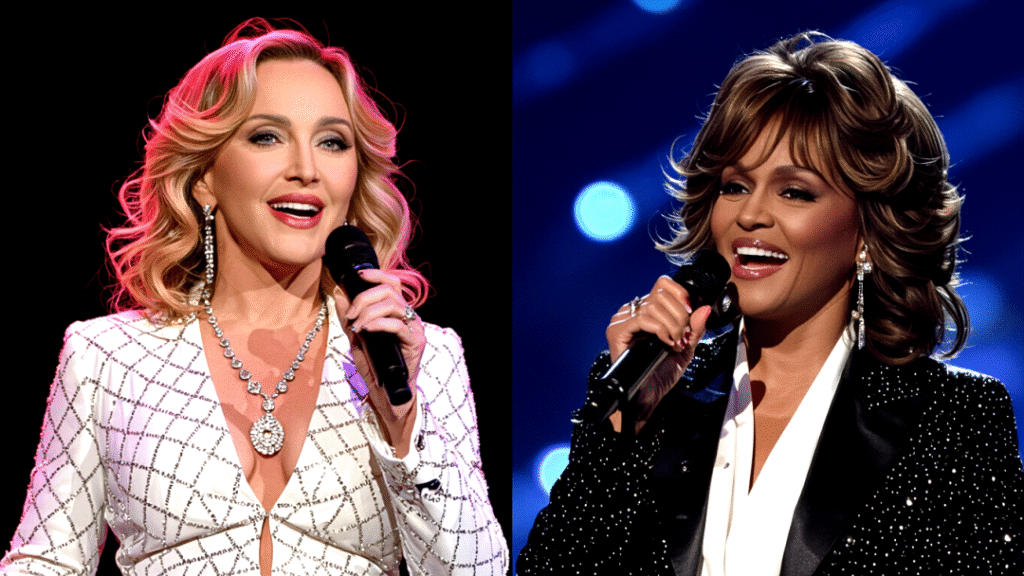
The legacy of Madonna and Whitney Houston is undeniable, as their influence continues to be felt in the music industry and popular culture today. Madonna’s fearless approach to self-expression paved the way for future generations of female artists to embrace their individuality and challenge societal norms, while Whitney Houston’s timeless music continues to inspire audiences around the world.
Their impact on fashion, culture, and societal attitudes towards gender, sexuality, and race cannot be overstated, as they used their platforms to spark important conversations about identity and representation in popular media.
Madonna’s influence can be seen in artists such as Lady Gaga and Beyoncé, who have followed in her footsteps by pushing boundaries and using their platforms to advocate for social change. Meanwhile, Whitney Houston’s impact can be felt in the soulful performances of artists such as Mariah Carey and Adele, who have cited her as a major influence on their own careers.
The enduring legacy of Madonna and Whitney Houston is a testament to their lasting impact on the music industry and popular culture, as they continue to inspire future generations of artists to embrace their individuality and use their voices for positive change.
The Enduring Legacy of Madonna and Whitney Houston’s Rivalry

In conclusion, Madonna and Whitney Houston’s rivalry defined an era of pop music in the 1980s, as they battled for chart dominance while shaping fashion, culture, and societal attitudes towards gender, sexuality, and race.
Their contrasting approaches to pop stardom made them iconic figures in popular culture, as they used their platforms to push boundaries and spark important conversations about identity and representation in popular media.
Despite the media’s obsession with their personal lives and scandals, Madonna and Whitney Houston remained resilient in the face of adversity, using their voices to advocate for important causes and make a positive impact on the world.
The enduring legacy of Madonna and Whitney Houston is a testament to their lasting influence on the music industry and popular culture, as they continue to inspire future generations of artists to embrace their individuality and use their voices for positive change.
Their impact can be seen in the fearless self-expression of artists such as Lady Gaga and Beyoncé, who have followed in Madonna’s footsteps by pushing boundaries and advocating for social change.
Meanwhile, Whitney Houston’s timeless music continues to resonate with audiences around the world, inspiring soulful performances from artists such as Mariah Carey and Adele. The rivalry between Madonna and Whitney Houston may have been legendary, but their enduring legacy is even more so.